Are you torn between the timeless charm of Madison’s Historic District and the comfort of a newer neighborhood? You are not alone. Each option offers a distinct lifestyle, from walkable streets and period architecture to larger lots and modern floor plans. This guide breaks down the tradeoffs so you can choose the setting that fits your day to day life, renovation appetite, and commute. Let’s dive in.
Historic District basics
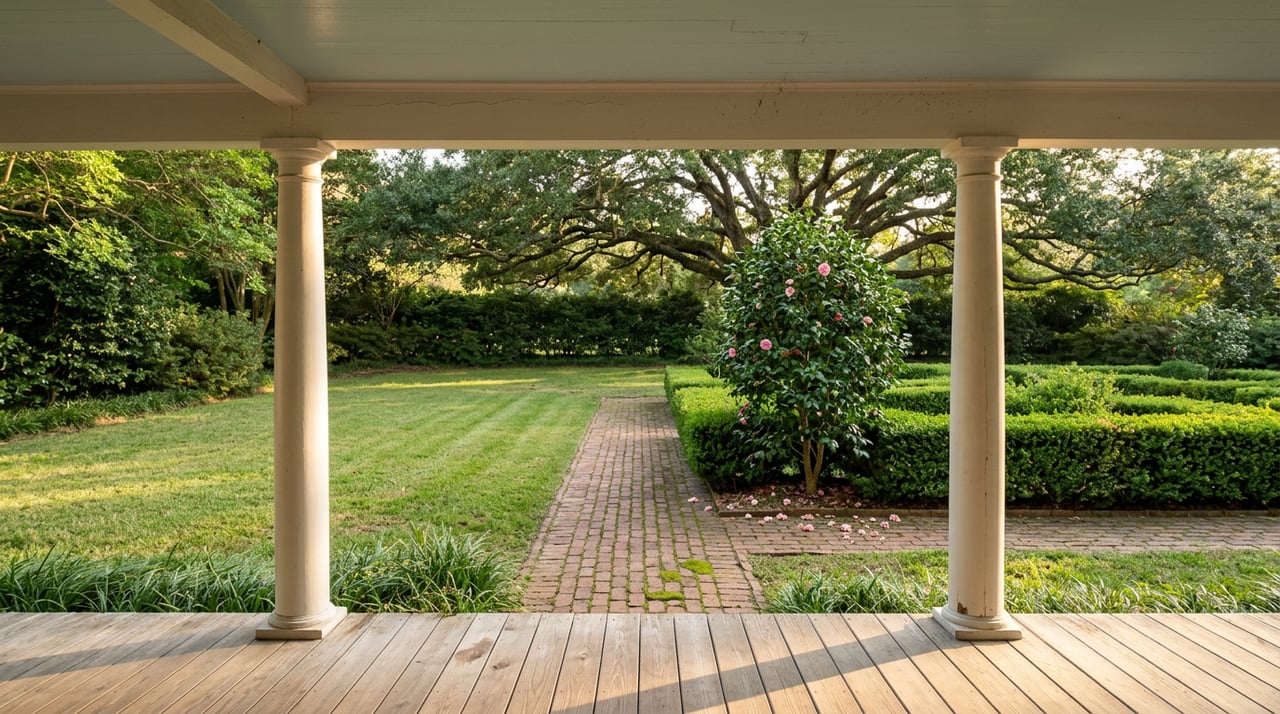
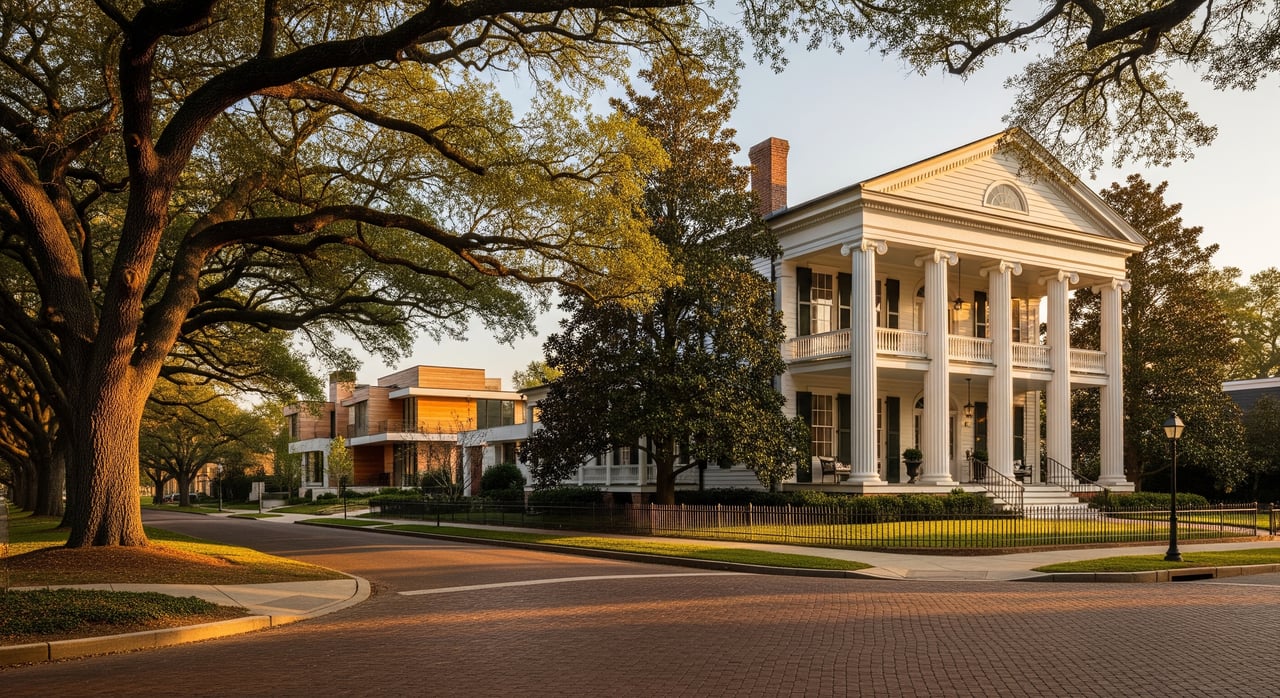
Madison’s Historic District features 19th and early 20th century homes with Greek Revival, Federal, and Victorian era details. You will see wood frame construction, generous porches, historic chimneys, and mature street trees along a traditional street grid. Lots tend to be smaller and more walkable, though some properties within the district sit on larger landscaped grounds. Many interiors have been updated over time while keeping historic character.
Best for: If you value architectural authenticity, proximity to downtown shops and parks, and a pedestrian friendly environment, the Historic District delivers a true in town experience.
Newer neighborhoods basics
Newer subdivisions and rural edge neighborhoods in and around Madison offer late 20th to 21st century construction. Expect open floor plans, attached garages, larger primary suites, and modern materials such as engineered siding and contemporary HVAC. Streets often include cul de sacs and loop layouts, with lot sizes that range from typical suburban to acre plus in rural edge settings. Sidewalks and underground utilities appear in some planned developments.
Best for: If you want predictable lot sizes, newer systems, and the convenience of car oriented access to retail and commuter routes, a newer community may fit your routine.
Architecture and lot patterns
Historic homes showcase period styles like Italianate, Queen Anne, and Carpenter Gothic influences. Layouts may include formal parlors and smaller original kitchens, though many have been reworked for modern living. Houses range from cozy cottages to larger antebellum residences.
Newer construction leans toward Craftsman influenced elevations, ranch and two story plans, and family centered kitchens that open to living spaces. Lot sizes are generally larger and more uniform than in town parcels, and many rural edge properties offer added privacy and room for accessory buildings. If lot size is a priority, newer neighborhoods often provide clearer expectations.
Rules: preservation vs HOAs
The Madison Historic District is listed on the National Register of Historic Places. That designation recognizes significance and may open doors to certain programs, but does not by itself limit private changes. Many communities also have local preservation ordinances and commissions that review exterior work in designated areas. In Madison, you should check city planning and historic preservation resources to learn whether your project requires review, what materials are allowed, and how to apply.
In newer subdivisions, homeowners’ associations and recorded covenants are common. HOAs can regulate exterior paint, fences, landscaping, vehicles, and rental rules, and they may charge monthly or annual dues. Rural edge properties may have no HOA but are still subject to county zoning, septic and well standards, and recorded plat restrictions. Always review covenants, budgets, and recent meeting minutes before you commit.
Utilities and infrastructure
In town historic properties typically connect to municipal water and sewer, with sidewalks and mature infrastructure. Older drainage systems can present legacy constraints, so it is wise to evaluate stormwater around each house. Newer developments often include engineered stormwater controls and may feature underground utilities.
Broadband coverage varies in rural parts of Morgan County. Neighborhoods closer to town usually have better wired options, while some rural addresses rely on satellite or fixed wireless. Confirm service with providers for the exact address, especially if you work from home.
Maintenance and ongoing costs
Historic homes can require more specialized care. You may encounter original windows, older roofs, or outdated wiring and plumbing that need attention. Preservation sensitive repairs and period appropriate materials often call for experienced trades, which can add cost. Insurance on older homes can also be higher or contingent on system updates, so get quotes early.
New construction typically offers lower short term maintenance and may still be under builder warranties. Over time, plan for normal life cycle replacements such as HVAC or exterior finishes. If the neighborhood has an HOA, factor in dues for common area maintenance and amenities.
Lifestyle and location
The Historic District offers everyday walkability to restaurants, shops, churches, parks, and frequent community events. If you enjoy stepping out the door and strolling to downtown, in town living is tough to beat.
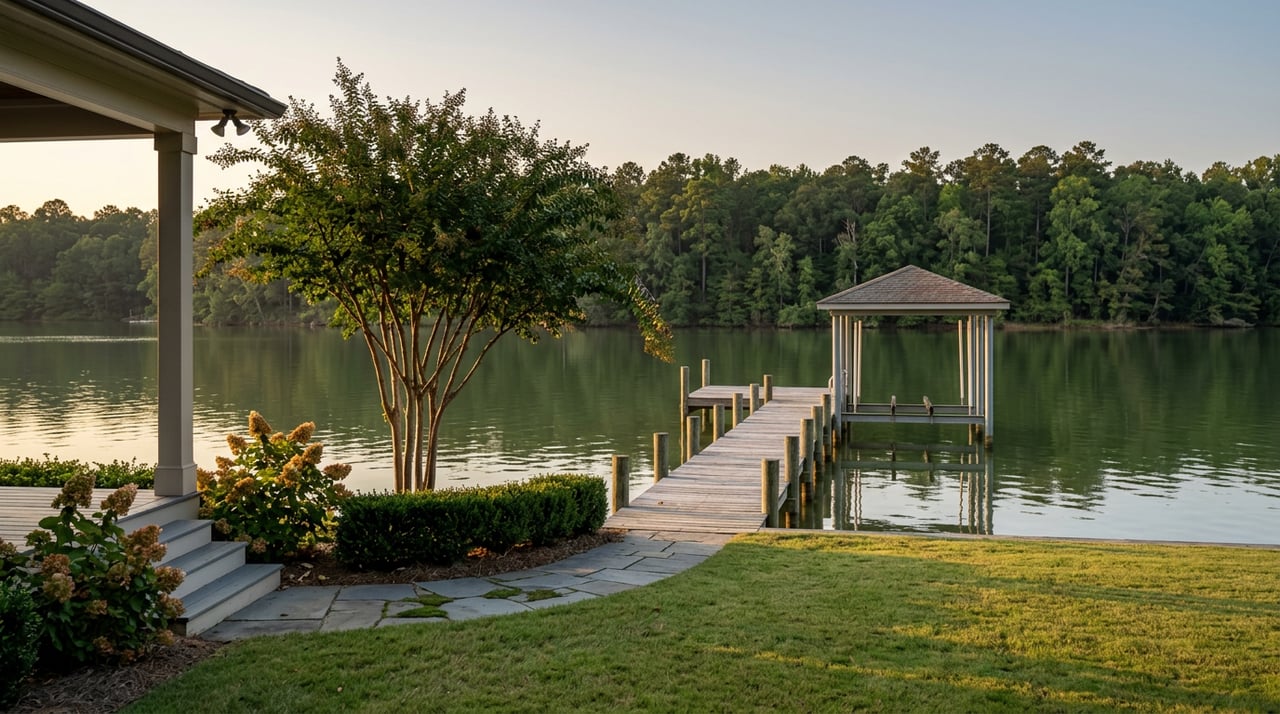
Newer neighborhoods are designed for driving, though some include amenities like community pools, playgrounds, or trails. Many are convenient to major roads for access to Interstate 20 and regional commuting. Both in town and edge neighborhoods have reasonable routes to Lake Oconee recreation, marinas, golf, and dining. If daily lake use is key, map drive times from specific neighborhoods to your preferred marina, especially on peak weekends.
Schools and services
Madison addresses are served by Morgan County Schools. Attendance zones vary, so confirm zoning for the exact property. Services such as police, fire, utilities, and permitting differ between City of Madison and unincorporated Morgan County. Verify whether a home is inside city limits and which jurisdiction applies.
Which is right for you?
Choose the Historic District if you want character rich architecture, a walkable setting, and you are comfortable managing preservation minded maintenance. Choose a newer or rural edge neighborhood if you want modern layouts, larger and more predictable lots, and you prefer HOA amenities or fewer exterior restrictions, depending on the community.
If you are on the fence, tour both settings on the same day. Pay attention to how you move through the space, noise and traffic, parking, yard usability, and what your daily routine would feel like in each location.
Buyer checklist
Use this quick list before you write an offer:
- Confirm jurisdiction for the address and review any zoning, permits, and, if applicable, local preservation ordinances.
- Request HOA documents, budgets, reserve studies, and recent meeting minutes for subdivisions with covenants.
- Order a full home inspection. For historic homes, add preservation aware inspectors and consider testing for lead paint or asbestos if the home predates 1978.
- Verify utilities: public water and sewer versus well and septic. Document any upgrades to electrical, HVAC, roof, and drainage.
- Check FEMA flood maps and county floodplain information for the parcel.
- Obtain insurance quotes early, especially for older construction.
- Review tax records and recent bills. If any historic easements or tax programs are noted, confirm impacts with the county tax assessor.
- For lake proximity, confirm access rights, road ownership, and any HOA or community dock rules.
- Confirm school attendance zones with Morgan County Schools for the property.
- For planned renovations, contact City of Madison planning or Morgan County permitting to understand required approvals and timelines.
Ready to explore?
You deserve a home that matches the life you want to live, whether that is a porch swing under century old oaks or a modern kitchen that anchors busy weeknights. If you want guidance grounded in local knowledge of Madison and Georgia’s Lake Country, connect with Traci Nelson. Let’s map your must haves to the right street and the right community.
FAQs
Are historic homes in Madison harder to insure?
- They can be. Older wiring, plumbing, or nonstandard materials may raise premiums or require updates. Get quotes early and review any required upgrades.
Do preservation rules limit renovations in the Historic District?
- Exterior changes in locally regulated areas may require design review. Interior updates are typically less regulated but still need standard building permits.
Will an HOA restrict how I use my property?
- It depends on the community. HOAs often regulate exteriors, landscaping, vehicles, and rentals, so review covenants and recent minutes before you buy.
How do lots compare between in town and newer areas?
- Historic District lots are usually smaller and more walkable, with exceptions for larger estates. Newer neighborhoods tend to have larger and more uniform lots.
Is one area better for daily Lake Oconee access?
- Proximity varies by neighborhood. If daily lake use matters, map the drive from each community to your preferred marina and test the route on busy weekends.