What if your next home gave you the easy pace of a historic small town with quick access to lakes, trails, and open countryside? If Monticello in Jasper County is on your radar, you are not alone. Many buyers are drawn to its walkable courthouse square, rural landscape, and lifestyle value. In this guide, you will learn what you can buy, what to watch in the market, and how to do smart due diligence before you write an offer. Let’s dive in.
Why Monticello appeals
Monticello blends historic charm with room to breathe. You will find a classic town center, local shops, and community events that make it feel welcoming and grounded. Buyers also seek the nearby outdoor recreation, from boating and fishing to quiet country living.
For many, it is about value and lifestyle. Compared with larger metro areas, buyers often find more land, lower carrying costs, and a slower pace of life. Remote work has also made it easier to relocate without giving up career goals. If you want a small-town base with lake access and country amenities, Monticello delivers options across a range of property types.
What you can buy
Historic downtown homes
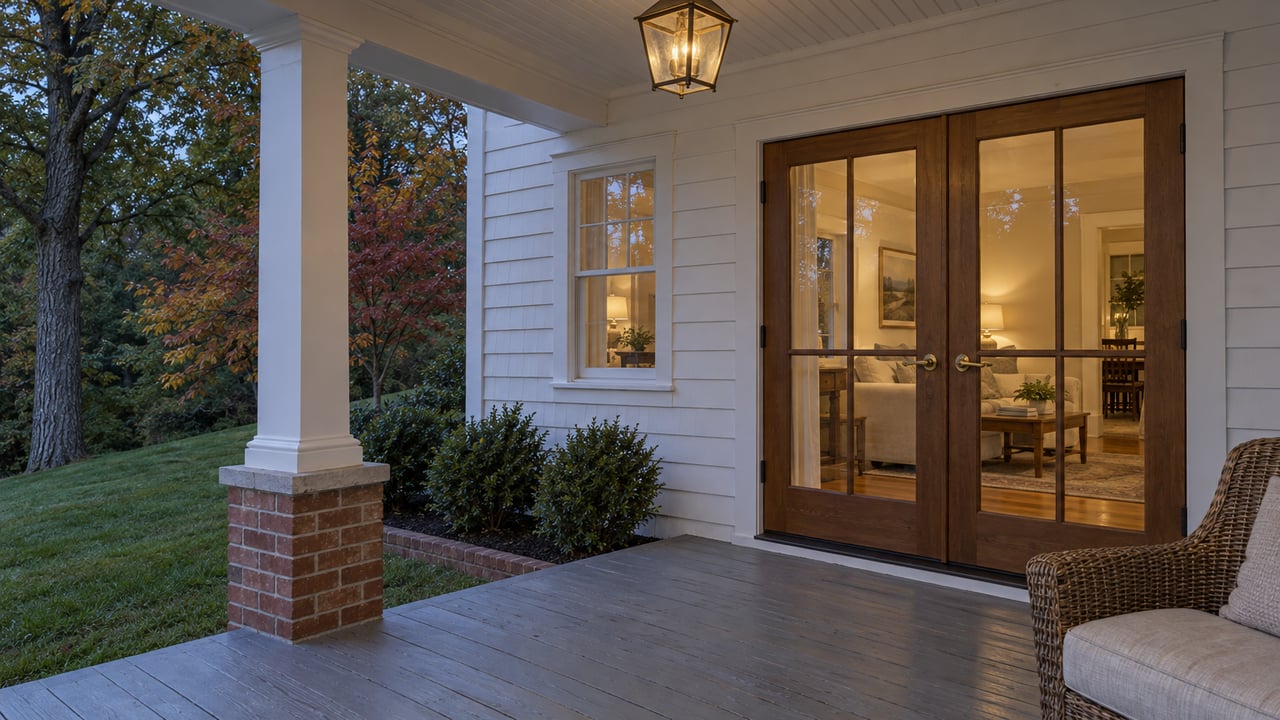
The blocks around the courthouse square and Main Street feature older homes with period details, porches, and smaller lots. These properties are ideal if you want walkability and character. Expect a mix of renovations and homes ready for updates. Plan for careful inspections of older systems, foundations, and HVAC.
Newer subdivisions and single-family homes
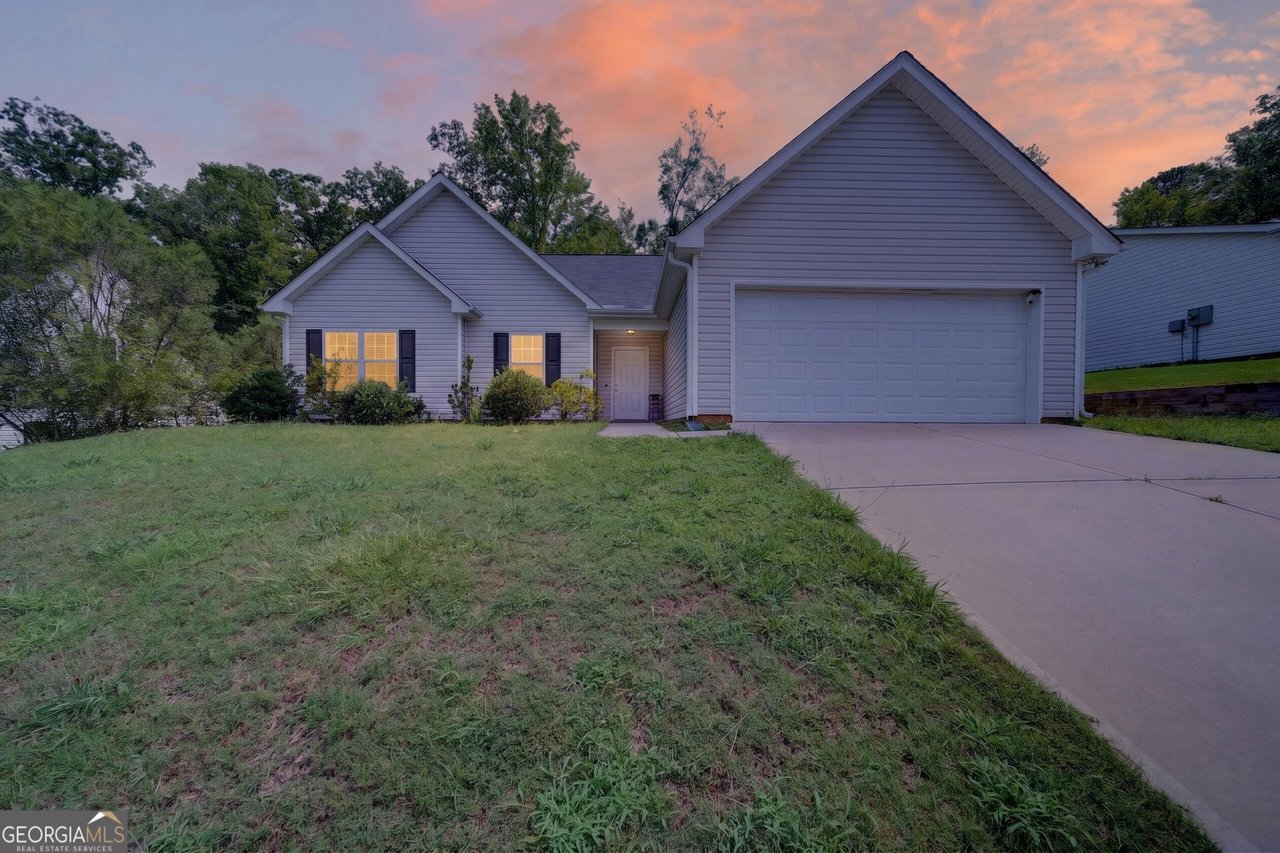
On the town’s edges and along county roads, you will see newer construction with modern floorplans. These homes can offer energy efficiency and builder warranties. If an HOA is present, review rules, fees, and any restrictions early in your process.
Rural acreage and small farms
Outside the municipal limits, larger parcels support privacy, animals, gardens, and hobby farming. Many of these properties rely on private wells and septic systems. You will also find mixed timber and cleared fields. Rural roads can be private, so confirm maintenance responsibilities in writing.
Lake-area and lake-access options
If you want to be close to boating, paddling, and fishing, lake-area and lake-access listings show up in the broader Jasper County mix. Some offer shared or community access, while others may include private easements or association-controlled amenities. Confirm exactly what type of access conveys and which rules apply before you commit.
Manufactured and modular homes
Manufactured and modular construction exists across parts of the county and often provides lower entry price points. If you are financing, confirm loan program eligibility and property foundation type early, since requirements vary by lender and program.
Market dynamics to watch
Inventory and months of supply
Market balance shifts with interest rates and seasonality. A lower months-of-supply figure can signal a seller-leaning market, while higher supply favors buyers. Ask for a 12-month rolling view of active listings and solds to see trend lines by property type.
Days on market by property type
Historic homes, new builds, acreage, and lake-access properties can move at different speeds. Lake-oriented and larger acreage listings sometimes take longer due to specialized demand. Compare days on market for each category to set realistic expectations.
New listings and absorption
Track new listings per month and the absorption rate for lake-area and acreage properties. These segments can be seasonal, with more activity in warmer months. Watching absorption helps you judge how aggressive to be on timing and offers.
Buyer mix and competition
Owner-occupants, retirees, and second-home buyers all shop in and around Monticello. The mix affects competition, especially near the lakes and on charming in-town streets. Ask your agent for recent examples of multiple-offer situations and any meaningful seller concessions.
Smart due diligence for buyers
Inspections and systems
For historic homes, prioritize checks for lead-based paint, older wiring such as knob-and-tube, aging plumbing, foundation settling, and HVAC age and condition. If you plan any renovations, obtain clarity on permits and whether a historic overlay applies.
Wells, septics, and rural infrastructure
On acreage and rural homes, order a well water quality and yield test. Have the septic system inspected and request records for location, capacity, and the last pump date. Confirm driveway easements and who maintains any private roadways, gates, and shared entrances.
Flood and insurance
Use FEMA flood maps and county resources to verify floodplain status. If a property sits in a higher-risk zone, you may need flood insurance and should get quotes early. Rural and lake-area homes can carry different insurance premiums, so factor that into your monthly budget.
Zoning and use permissions
Check Jasper County zoning to confirm allowed uses on acreage, including accessory dwellings, short-term rentals, livestock, or agricultural activities. If a property references shoreline or shared access, verify riparian rights, easements, and any association rules that govern docks, ramps, or boat storage.
Taxes, financing, and programs
Request the current owner’s tax bill from the Jasper County Tax Assessor to estimate carrying costs. For financing, explore options that may fit rural or renovation scenarios, such as USDA rural loans, FHA 203(k) for rehab, and conventional loans for new construction. Confirm eligibility zones and program requirements directly with your lender.
Utilities and broadband
Determine whether a home is on central water and sewer or well and septic. Ask about natural gas availability and backup power options. For remote work, verify broadband service providers and expected speeds at the address rather than assuming coverage.
Match lifestyle to location
Downtown lifestyle
If you value walkability and character, the historic core can fit well. Expect tighter lots, possible street parking, and a mix of updates and restoration projects. Many buyers choose this area for the town feel and proximity to services.
Subdivision convenience
Move-up buyers and young families often lean toward newer homes with open layouts, garages, and potential community amenities. Review HOA documents to understand pet rules, fences, parking, and any design standards.
Country space
Acreage buyers focus on privacy, barns or workshops, gardens, and room for hobbies. Soil quality, timber value, and pasture condition can influence your plan and long-term costs. Budget for equipment, fencing, and road upkeep.
Lake-life access
If time on the water is a priority, consider properties marketed for lake proximity or community access. Pay attention to the specific access rights that transfer, as well as association bylaws, dock permits, and seasonal maintenance needs for watercraft.
How to get current numbers now
Because the market changes quickly, pull fresh data before you decide on an offer strategy. Ask your agent to compile:
- A 12-month rolling report of solds by property type, including median price, days on market, and price per square foot.
- Current active inventory and months of supply for in-town homes, newer subdivisions, acreage, and lake-access listings.
- New listings per month and absorption for lake-area and acreage segments to understand seasonality.
- A set of 3 to 5 recent examples for each property type to illustrate price ranges, condition levels, and seller concessions.
These snapshots help you compare apples to apples and negotiate with confidence.
A smooth path to ownership
Use a simple step-by-step plan to keep your search focused:
- Clarify lifestyle priorities. Decide how you will use the property day to day and on weekends. Rank walkability, acreage, or water access.
- Set a clear budget. Include taxes, insurance, utilities, and any HOA fees, not just principal and interest.
- Get preapproved. Choose the loan program that fits your property type and timeline, especially for rural or renovation scenarios.
- Tour by category. See one or two options in each segment: historic, newer subdivision, acreage, and lake-access. Compare trade-offs directly.
- Inspect deeply. Order the right inspections for the property type and review permits, easements, and zoning in advance.
- Negotiate with data. Use recent solds and days on market to structure price, timelines, and any seller concessions.
Why work with Traci in Monticello
You deserve guidance that ties property details to lifestyle value. Traci blends local roots in Georgia’s Lake Country with premium marketing and a client-first approach. You get clear advice, organized data, and a plan tailored to how you want to live, whether that is a restored cottage in town, a modern family home, a quiet acreage retreat, or a lake-access getaway.
Ready to explore homes that match your life? Connect with Traci Nelson for a focused, no-pressure consultation and on-the-ground insight.
FAQs
What types of homes are most common in Monticello?
- You will see historic downtown cottages, newer single-family homes on the edges of town, rural acreage and hobby farms, lake-area or lake-access properties, and some manufactured or modular homes.
How competitive is the Monticello market right now?
- Competitiveness varies by property type. Ask for a 12-month view of months of supply and days on market for in-town, subdivision, acreage, and lake-access segments to guide your offer strategy.
What should I inspect on historic homes in Monticello?
- Prioritize checks for lead-based paint, older wiring, aging plumbing, foundation settling, roof condition, and HVAC age and performance. Review any historic overlay requirements for renovations.
What due diligence applies to rural acreage near Monticello?
- Verify well water quality and yield, septic location and capacity, road and driveway maintenance, timber and mineral rights, zoning for intended uses, and any conservation easements.
How do I confirm lake access on a property?
- Ask for documented access rights, easements, and any association bylaws that govern docks, ramps, and watercraft. Clarify what transfers at closing and what requires separate permits or approvals.
Are there loan programs for rural or renovation purchases?
- Buyers often consider USDA for eligible rural areas, FHA 203(k) for rehab, and conventional loans for new construction. Confirm eligibility and requirements with your lender early in the process.
What should I budget for monthly carrying costs?
- Include principal and interest, property taxes from the Jasper County Tax Assessor, insurance quotes that reflect rural or lake-area needs, utilities, and any HOA fees.
Is broadband reliable for remote work in Jasper County?
- Service levels vary by address. Confirm available providers and expected speeds before you make an offer, especially on rural and acreage properties.