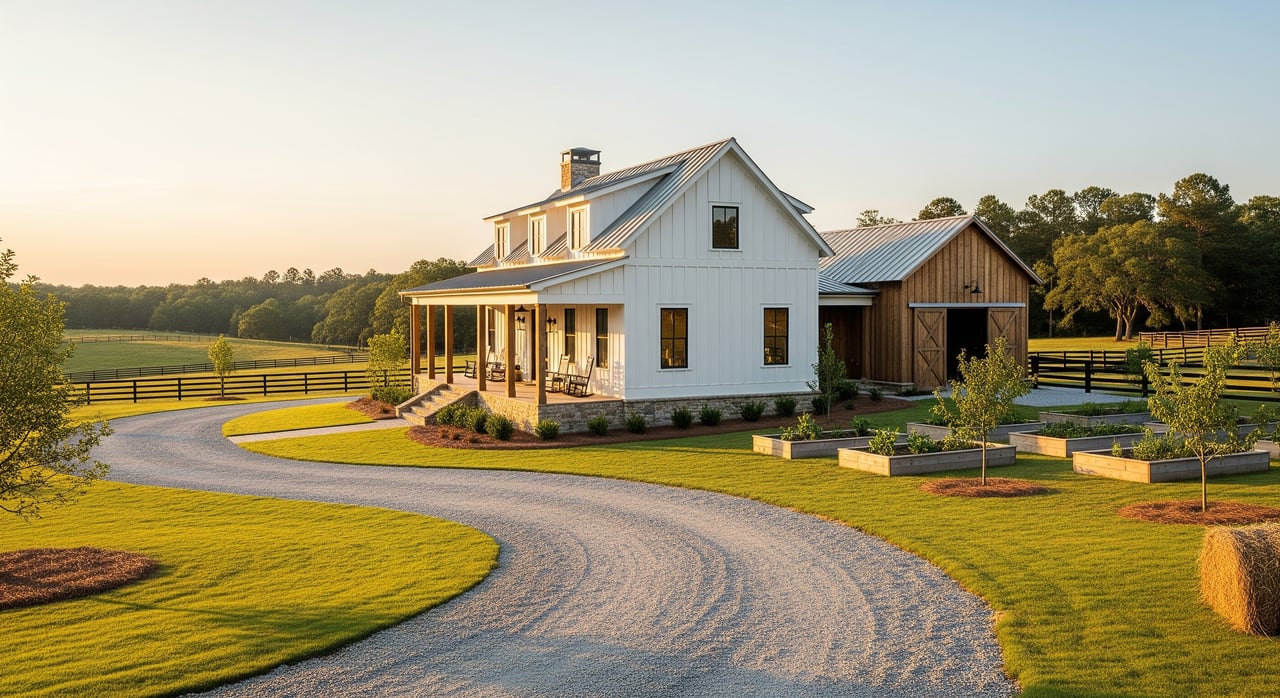
Dreaming about a little land for gardens, a few animals, or a horse near Monroe, GA? You’re not alone. Many buyers look for “mini-farms” around Walton County to enjoy a rural lifestyle without going full-scale commercial. In this guide, you’ll learn what locals mean by a mini-farm, how many acres you may need, the features that make land usable, and the zoning and covenant checks you should complete before you buy. Let’s dive in.
What locals mean by mini-farm
In Monroe and across Walton County, “mini-farm” is a lifestyle label, not an official zoning category. It describes small acreage properties set up for hobby agriculture, small livestock, horses, gardens, or limited income activities like hay or eggs.
- Small mini-farm: about 1 to 3 acres. Good for a large garden, a few chickens, and a small hobby barn. Pasture is limited and larger animals usually need supplemental hay.
- Classic mini-farm: about 3 to 10 acres. Often the sweet spot for one or two horses with feed, fenced pasture, a barn or shop, and space for separate yard and garden areas.
- Larger hobby farm: roughly 10 to 20+ acres. Allows bigger pastures, multiple paddocks, hay production, or small commercial hobby operations.
Locally, most buyers chasing the mini-farm lifestyle target 3 to 10 acres. Under 3 acres is often marketed as “acreage with room for animals or a garden,” while over 10 acres may be called a small or hobby farm.
Land and pasture basics
Not all acres are equal. Focus on usable acreage, which excludes steep slopes, wetlands, floodplain, or heavy woods that limit pasture or building. A 10-acre wooded parcel might only give you 2 or 3 cleared acres unless you invest in clearing.
Healthy pasture depends on soil, drainage, and topography. In central and northeast Georgia, common warm-season pasture grasses include bermudagrass and bahiagrass. Cool-season ryegrass is often used for winter grazing. The UGA Cooperative Extension provides region-specific guidance on pasture species and soil fertility, which can help you plan improvements.
Water is essential for animals. Natural springs and ponds can help, but reliability varies. Many mini-farm owners install frost-proof hydrants or troughs tied to a well. When you tour, look for water access points and ask how they perform in dry months.
Fencing is a safety and cost factor. Horse fencing usually differs from cattle or goat fencing. Condition tells you how quickly you can move in animals. Note materials, gate placement, and visibility for horses.
Barns and outbuildings that work
Mini-farm buyers typically look for practical accessory structures that make day-to-day care easier. Useful buildings include:
- A small barn or run-in shed for shade and shelter
- A tack or feed room you can secure
- An equipment shed or tractor storage
- A detached workshop or storage building
Structure quality matters. Check foundation type, electrical service, ventilation, and roof condition. Ask the seller about permits and when the buildings were added. New outbuildings beyond a certain size usually require county or city permits.
Utilities and environmental checks
Water and septic vary by location. Inside Monroe city limits, public water and sewer may be available. In unincorporated Walton County, most properties rely on a private well and septic. Verify well yield, pump age, septic permits, and any maintenance records. Soil percolation is a key factor if you plan to add bedrooms or additional structures.
Environmental limits can reduce usable land. Floodplains, wetlands, and conservation easements may restrict new buildings, grading, or livestock access. Preliminary checks with FEMA flood maps and USDA soil tools can help you understand risk and suitability before you go under contract.
Consider road access and maintenance. Long private drives can change emergency response times and raise utility or gravel costs. Ask if there are recorded road maintenance agreements.
Budget for ongoing costs. Expect regular expenses for fencing repairs, pasture mowing and fertilizing, lime applications, hay or feed, manure management, and equipment storage. Listings that already have fenced pasture and a functional barn can reduce your upfront spend.
Zoning, covenants, and permits in Walton County
Before you fall in love with a property, verify what you are allowed to do. County and city rules vary, and private covenants can be stricter than zoning.
- Zoning and permitted uses: Walton County and the City of Monroe define allowed uses, setbacks, accessory structures, and home-business rules. Agricultural or rural residential zoning often allows farming and livestock, while properties inside city limits may face more restrictions. Confirm the parcel’s zoning with local planning departments.
- Deed restrictions and HOA covenants: Some “acreage” neighborhoods limit animal types and numbers, outbuilding size or placement, fencing types, on-site sales, or agritourism. Always read recorded covenants and HOA documents in full. If documents are unclear, request copies from the seller and check county records.
- Building permits and inspections: New barns, shops, and dwellings usually require permits and inspections. Unpermitted structures can be a headache for new owners, so ask for permit records.
- Septic and well permitting: Walton County Environmental Health reviews and permits septic systems. Private well installations also require permits and inspections based on state and local standards.
- Animal control and nuisance rules: Counties and cities have rules for livestock-related noise, odor, and waste. City ordinances are often stricter, so verify both if you are near or within Monroe.
- Agricultural tax programs: Georgia offers property tax programs for qualifying agricultural land. Eligibility varies, and you must apply through the county with proper documentation. Do not assume a residential parcel qualifies.
- Easements and rights-of-way: Access easements, utility corridors, and timber ingress can limit where you place pastures or buildings. Review the plat and title documents.
Match features to your goals
Every mini-farm plan is different. Use these quick guides to align property features with your vision.
Big garden and small orchard
- Useful features:
- Good sun, gentle slope, and soil with minimal rock
- Nearby water for irrigation and a fenced garden area
- Red flags:
- Heavy tree canopy that blocks light
- HOA rules banning garden fencing or produce stands
Poultry and small livestock
- Useful features:
- Compact outbuilding for a coop or pen
- Predator-resistant fencing and easy access from the house
- Red flags:
- Covenants that ban poultry or restrict animal numbers
- Close neighbors that could trigger nuisance complaints
Horses for private use
- Useful features:
- About 3 or more usable acres per horse for safe turnout and paddocks
- Existing barn or run-in, tack room, safe gates, and horse-appropriate fencing
- Water troughs or hydrants in each paddock
- Red flags:
- Barbed wire fencing
- Steep or rocky terrain, wet areas, or recurring flood issues
- Unpermitted barns or covenants that restrict horses
Small-scale cattle or hay
- Useful features:
- About 10 or more acres, reliable fencing, and rotational grazing capability
- Water in each paddock and covered storage for equipment
- Red flags:
- Fragmented parcels that make rotation impractical
- Drainage problems that prevent equipment access
- Deed restrictions against agricultural activity
Bees, orchard, or small farm stand
- Useful features:
- Adequate distance to neighbors for bees
- Zoning that allows direct sales and safe road frontage if customers visit
- Red flags:
- Restrictive covenants or stricter city rules on sales and parking
Income ideas like boarding or hay sales
- Steps to consider:
- Verify zoning for any commercial activity on agricultural or residential land
- Check business licensing, parking, and access for clients
- Review manure and waste management rules
Showing and due diligence checklist
Use this checklist before you make an offer and during inspections:
- Verify parcel zoning and allowed uses with Walton County Planning, and check City of Monroe rules if inside city limits.
- Get and read recorded covenants, deed restrictions, and HOA documents.
- Confirm utilities: public water and sewer availability, or well and septic documentation, including well depth and yield, septic permits, installation dates, and maintenance records.
- Ask about past or current agricultural tax treatment and the property’s use history.
- Order or review a recent survey with boundaries, easements, and setback lines.
- Evaluate usable acreage and constraints. Note floodplain or wetland areas and check basic soils and topography.
- Request permits for existing barns, shops, and accessory structures.
- Review soils or order a soil test for pasture and garden planning, and consult Extension guidance for species and fertility.
- Inspect fencing, gates, troughs, and feeders for safety and condition.
- Check for environmental issues like erosion, dumping, or proximity to streams that affect livestock or building plans.
- Review access and maintenance agreements for private drives.
- Confirm setbacks and yard requirements for future plans like another barn, an arena, or an addition to the home.
- If you plan to keep livestock, review local animal control codes and Extension advice on stocking rates and pasture management.
- Ask sellers for records of hay contracts, grazing plans, veterinary care, and any equipment included in the sale.
Local resources to contact
- Walton County Planning & Development and Building Permits: zoning, permits, and accessory structure rules
- City of Monroe Planning Department and Code Enforcement: city zoning rules and utilities
- Walton County Environmental Health: septic approvals, well permits, and requirements
- Walton County Tax Assessor and Tax Commissioner: property tax classification and current use or agricultural valuations
- UGA Cooperative Extension: forage and pasture recommendations, small livestock guidance, and soil testing services
- NRCS and USDA soil resources: soil maps and interpretation for pasture or septic suitability
- FEMA Flood Maps and Walton County GIS: floodplain and flood risk mapping
- Georgia Department of Agriculture and Georgia DNR: statewide regulations that affect farm operations
- Local equine vets, farriers, feed suppliers, and fencing contractors: practical costs and care estimates
A well-chosen mini-farm near Monroe can unlock a balanced rural lifestyle with room to grow. If you align acreage, usable land, structures, and rules with your goals, you can avoid surprises and start strong.
If you want a property that fits your vision, partner with a local advisor who knows lifestyle acreage and the steps that protect your investment. Reach out to Traci Nelson for a thoughtful plan, targeted property selection, and premium representation.
FAQs
What size acreage defines a mini-farm in Monroe, GA?
- Locally, buyers often use “mini-farm” for about 3 to 10 acres, though 1 to 3 acres can work for gardens and small animals, and 10 to 20+ acres leans toward a hobby farm.
Can you keep horses on a Monroe mini-farm?
- Many buyers aim for about 3 or more usable acres per horse with safe fencing, shelter, and water, but always verify zoning, covenants, and city versus county rules first.
What zoning checks should Walton County buyers complete?
- Confirm the parcel’s zoning and permitted uses with Walton County and the City of Monroe if applicable, then review setbacks, accessory structure rules, and any home-business limits.
How do deed restrictions and HOAs affect animals and barns?
- Covenants can limit animal types or numbers, outbuilding size or location, fencing types, and on-site sales. Read recorded documents carefully before you make an offer.
Do Monroe-area mini-farms use wells or city water?
- Inside Monroe, public water and sewer may be available. In unincorporated Walton County, most properties use private wells and septic systems, so verify capacity and permits.
What is “usable acreage” versus total acreage?
- Usable acreage excludes slopes, wetlands, floodplains, and heavy woods that limit pasture or building. It is the practical land you can fence, graze, and build on.
Can a mini-farm qualify for agricultural tax programs?
- Georgia offers programs for qualifying agricultural land, but eligibility and acreage thresholds vary. Check with the Walton County Tax Assessor and do not assume residential land qualifies.