our Lake Savvy Guide to Georgia Power Shoreline Rules
If you’re shopping for lakefront homes or land on Lake Sinclair or Lake Oconee, understanding Georgia Power’s shoreline management rules is one of the most important parts of the buying process.
These rules shape:
-
What you can build
-
What you can remove
-
What you can repair
-
How close you can build to the water
-
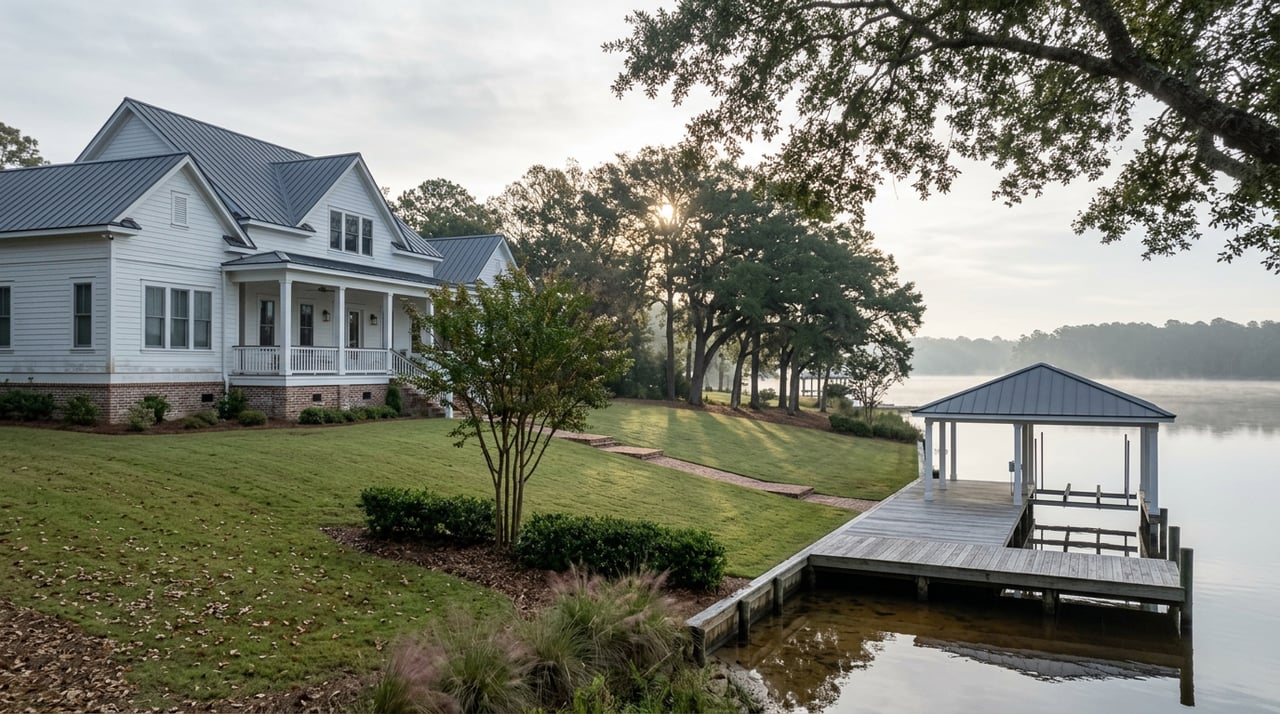
Which lots qualify for docks
-
Long-term resale value
Most buyers don’t realize how many shoreline restrictions exist until they’re already under contract—which can lead to expensive surprises. That’s why local guidance matters, especially from experienced agents like Traci Nelson, who reads these rules every week when helping lake buyers.
Let’s walk through everything you need to know before purchasing on a Georgia Power–managed lake.
1. What Lakes Do Georgia Power Manage?
Georgia Power oversees the shoreline on several major lakes, but most relevant to Lake Savvy buyers are:
-
Lake Sinclair
-
Lake Oconee
Both lakes follow the Shoreline Management Program (SMP) — a comprehensive set of rules that regulate development along the waterfront.
Key Lake Savvy Note:
Because the shoreline is leased, not owned, every improvement requires authorization.
2. Georgia Power Owns the Shoreline — Not the Property Owner
This is the part that surprises most buyers.
Even if you buy a lakefront lot, you do not automatically own the land directly at the water’s edge. Georgia Power maintains ownership of the shoreline strip around the lake to protect water quality, wildlife habitats, erosion stability, and public safety.
What this means for you:
-
You need permission for docks
-
You need permission for seawalls
-
You need permission to remove trees
-
You need permission to grade, terrace, or alter the shoreline
-
You cannot build permanent structures in the buffer area
Your lot line stops before the shoreline.
Everything beyond it is governed by Georgia Power’s SMP.
3. Dock Approvals Are the #1 Concern for Buyers
Buyers always ask Traci:
“Can I build a dock on this lot?”
Because dock rights drastically affect:
-
Property value
-
Boating access
-
Rental desirability
-
Resale demand
Dock Eligibility Depends On:
-
Water depth
-
Cove width
-
Spacing between neighboring docks
-
Environmental sensitivity
-
Shoreline slope
-
Navigational safety
Types of docks commonly approved:
-
Single-slip
-
Double-slip (varies by location)
-
Floating docks
-
Fixed docks
Situations where docks may be denied:
-
Shallow coves
-
Narrow channels
-
Erosion areas
-
Protected wildlife zones
-
Lots too close to neighbors
Lake Savvy Rule:
Always verify dock eligibility before submitting an offer.
Traci handles this immediately—saving buyers from falling in love with a lot that can’t support a dock.
4. Shoreline Vegetation Rules: You Can’t Just Cut Everything Down
Georgia Power maintains strict rules on vegetation removal and shoreline clearing to protect natural habitats.
You typically need approval for:
-
Tree removal
-
Brush clearing
-
Grading
-
Installing new landscaping
-
Adding sod or turf
-
Hardscaping near the water
Violating these rules can lead to:
-
Fines
-
Required restoration
-
Revoked shoreline privileges
Tip from Traci: Never assume a seller had permission for past clearing. She verifies documentation so you don’t inherit violations.
5. Erosion Control and Seawall Approvals
A stable shoreline increases the lifespan of docks, lawns, and waterfront structures.
Georgia Power oversees:
-
Seawall material
-
Seawall placement
-
Rock rip-rap approval
-
Natural erosion solutions
-
Repair permits
Materials they typically approve:
-
Rip-rap (most common)
-
Wood seawalls
-
Marine-grade block
Materials they don’t approve:
-
Unauthorized fill dirt
-
Structures that protrude into the lake
-
Improper retaining walls
If you’re planning to repair or add a seawall, Traci ensures you know exactly what’s allowed before you start budgeting.
6. Setback Rules Affect Home Design
Georgia Power requires certain setbacks between:
-
Permanent structures
-
Waterline
-
Shoreline buffer area
This impacts:
-
Home footprint
-
Deck placement
-
Pool location
-
Garage orientation
Most buyers don’t realize their dream house plan may not fit until permits start.
Traci works with builders early to avoid design conflicts.
7. Shoreline Lease Transfers During a Sale
When you buy a lakefront home, the shoreline permit transfers to you — but not automatically.
The new buyer must:
-
Submit shoreline permit transfer forms
-
Update dock permits
-
Acknowledge shoreline rules
-
Agree to Georgia Power compliance
If the seller’s permit isn’t updated or is out of compliance, it can delay or jeopardize your closing.
Traci checks that shoreline permits are clean and transferable before you’re under contract.
8. How Shoreline Rules Impact Lakefront Property Value
Shoreline rules directly influence value in three major ways:
1. Dock Type
-
Deep-water docks raise value
-
Double-slip docks are premium
-
No-dock lots reduce buyer pool
2. Shoreline Condition
Stabilized, well-kept shorelines often boost resale value.
3. Long-Term Flexibility
Lots with ample shoreline rights offer:
-
Better renovation options
-
Higher buyer interest
-
Stronger investment potential
9. Common Buyer Mistakes to Avoid (Lake Savvy List)
❌ Assuming a dock can be added
Always verify.
❌ Ignoring shoreline setbacks
These impact your home design.
❌ Not checking water depth
Shallow water can eliminate boating options.
❌ Forgetting about permit transfers
You don’t want inherited violations.
❌ Cutting trees without permission
This can cause costly penalties.
❌ Buying based on views alone
Shoreline rules matter just as much.
10. How Traci Nelson Helps Lake Buyers Navigate Georgia Power Rules
Traci reviews shoreline regulations for every lakefront client and explains how each rule impacts your specific property.
Her support includes:
✓ Dock eligibility verification
Confirmed with Georgia Power before writing an offer.
✓ Shoreline permit review
She checks for violations or required repairs.
✓ Water-depth evaluation
Using both personal experience and local knowledge.
✓ Builder + architect coordination
Ensuring your home plan fits setbacks and shoreline limits.
✓ Local knowledge of “rule-heavy” vs “rule-light” areas
Knowing which coves or neighborhoods have stricter oversight.
✓ Resale-focused guidance
Because shoreline rules affect long-term value.
If you're buying on Lake Oconee or Lake Sinclair, this guidance protects your investment.
11. Compliance Reminder
This article is general information only.
Always consult:
-
Georgia Power Shoreline Management Office
-
County zoning departments
-
Licensed attorneys
-
Builders and civil engineers
-
Surveyors
-
Tax professionals
This ensures full compliance with:
-
Fair Housing Act
-
RESPA
-
Georgia Real Estate Commission rules
-
NAR Code of Ethics
-
Local zoning laws
Nothing in this article replaces legal permitting or engineering advice.
Final Takeaway: Shoreline Rules Affect Every Part of a Lakefront Purchase
Georgia Power shoreline rules shape:
-
What you can build
-
Where you can build
-
How you access the water
-
Long-term property value
-
Your daily lake lifestyle
When you understand these rules in advance, you make smarter decisions and avoid costly surprises.
Contact Your Lake Savvy Expert — Traci Nelson
Ansley Real Estate | Christie’s International Real Estate
Your guide for shoreline rules, dock approvals, and lakefront buying guidance in Madison, Lake Sinclair, and Lake Oconee.
Contact Traci Nelson here:
706-818-4168 [email protected]
Lake Sinclair expert | Top agent at Lake Sinclair | #1 trusted local Lake Sinclair Realtor
Traci Nelson is a 5 Star review realtor on Google!
#LakeSinclair #LakeSinclairRealEstate #MadisonGa #MadisonGaRealEstate #GeorgiasLakeCountry #GeorgiaRealtor